
Lalor / Football / Muscle Joint Bone
Football injury osteopathy for Lalor residents
Turn a setback into an informed next step.
Whether a player is new to organised football or returning to a familiar club, an injury can raise practical questions. Our Epping osteopaths help Lalor residents discuss the problem, understand care options and plan appropriate activity.
26 Childs Road, Epping VIC 3076 · (03) 9088 8228
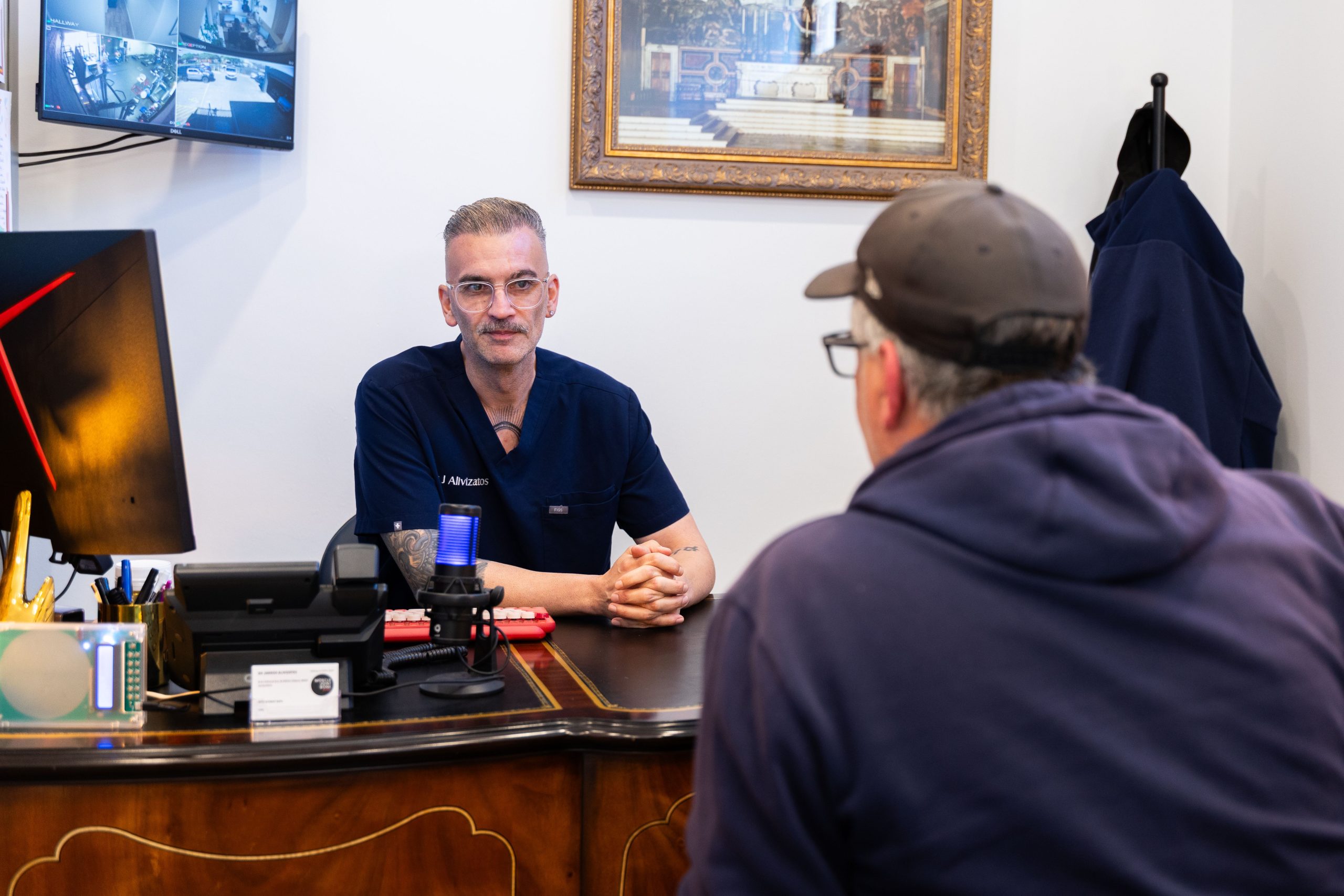
Tell us what happened in the contest, whether the player could continue and how the symptoms changed later. A clear account is useful for a junior footballer and an adult alike. Our clinic is at 26 Childs Road, Epping, with appointments available to people travelling from Lalor.
Football care within the MJB sporting community
South Morang Football Club seniors receive care from Muscle Joint Bone. The clinic also works with Craigieburn Eagles and Coburg Giants Division 1 VBL teams and VJBL athletes. You do not need a club connection to attend; an osteopathy appointment begins with your own concern and whether this form of care is suitable.


Osteopath & junior basketball coach
Understanding the player–parent–coach conversation
Dr Jarrod Alivizatos (Osteopath), who leads MJB, also coaches Melbourne Tigers junior VJBL basketball. His coaching background gives him experience of discussing sport with young players and families. That perspective is useful when explaining a care plan in everyday language and agreeing on how information should be shared with a coach.
Meet Dr Jarrod Alivizatos (Osteopath) →Pain, injuries and sporting demands
Football injuries to recognise and discuss
These are common musculoskeletal concerns and important injuries to be aware of. A significant injury or an unwell child needs appropriate medical assessment.
Thigh and hamstring strains
A player who pulls up during a sprint may have a muscle injury requiring assessment. Explain where the pain began and whether there is bruising or difficulty walking. In younger athletes, sudden severe pain should not simply be assumed to be an adult-type strain.
Groin pain with kicking
Pain around the inner thigh or hip can interrupt a kick or a change of direction. Several conditions can produce this pattern. Assessment should consider the player’s age, the onset and any limitation in normal walking or daily activity.
Ankle sprains and foot pain
After an awkward step, a player may try to hide a limp to stay involved. Persistent pain, swelling or trouble bearing weight warrants assessment. A clinician can determine whether further medical investigation is needed before rehabilitation starts.
Knee pain and ligament injuries
Gradual knee soreness and an acute twisting injury need different questions. Report swelling, locking, instability and any significant collision. A knee that cannot move normally or becomes rapidly swollen needs timely clinical attention.
Calf and heel complaints
Running and kicking can expose calf or heel symptoms. Growing players may need assessment for conditions such as Sever’s disease, while adults may have a different presentation. A sudden snap or major loss of function needs prompt medical review.
Shoulder, arm and hand trauma
A tackle, fall or contested mark can injure the upper limb. Notice difficulty lifting the arm, gripping or moving the fingers. A suspected dislocation, fracture or abnormal sensation should be assessed urgently rather than pushed through at training.
Corked muscles and bruising
A direct blow can leave the thigh or another muscle painful and stiff. Increasing swelling, severe pain or difficulty using the limb warrants review. The fact that an injury is called a cork does not establish that returning immediately is appropriate.
Concussion and head-impact symptoms
If concussion is suspected, stop participation and arrange medical assessment. The player must not return that day. Families should follow the relevant sport protocol and medical guidance for return to school, activity and contact; routine osteopathy does not replace that process.
Start with assessment and an explanation
Bring any reports from the ground, urgent care or another practitioner. Your osteopath considers the injury history and relevant movement before explaining suitable options. Referral may be the priority for some injuries. Where care is appropriate, discuss exercise, activity advice and any proposed hands-on technique, including alternatives and consent.
A return plan that a family can follow
Clarify the difference between attending training, joining a modified drill and completing contact practice. A young player may hear that they can train and assume everything is allowed. Ask for clear examples of permitted tasks and review points so the plan is understandable outside the clinic.
Include everyday function in the review
Improvement should be considered alongside walking, school or work demands and the response after activity. Report new symptoms and setbacks. With consent, your osteopath can communicate useful recommendations to other treating clinicians or a coach, helping the player follow a consistent plan.
Useful appointment questions
Planning your visit
Should I wait for the pain to settle before booking?
You can seek an assessment when a symptom is affecting participation. Significant trauma, severe pain or concerning symptoms may need urgent medical care first. Reception can help with appointment arrangements but cannot diagnose an injury over the phone.
Can osteopathy replace my surgeon’s rehabilitation plan?
Any surgical instructions or medical restrictions should be respected. Bring them to the appointment so the osteopath can discuss whether their care fits the plan and coordinate with the treating team if needed.
Can a parent attend the appointment?
A parent or guardian should be involved in a young person’s care as appropriate. Tell reception the player’s age when booking, and bring questions about school, training and home activities to the consultation.
Talk through the injury and the next decision
Lalor footballers can book osteopathy at Muscle Joint Bone Epping for a considered assessment and discussion of suitable care.
Further reading
Healthdirect: osteopathySports Medicine Australia: injury informationSMA: Australian footballAustralian concussion guidanceRoyal Children’s Hospital: Osgood-Schlatter information
Educational information is general. An individual assessment determines suitable care, referral and activity advice.