
Lalor / Basketball / Muscle Joint Bone
Basketball injury osteopathy for Lalor players
Help a young player describe what hurts.
A child may say their legs are sore without knowing how to explain the problem. At Muscle Joint Bone Epping, we help Lalor basketball families describe the symptoms, understand the assessment and discuss suitable next steps.
26 Childs Road, Epping VIC 3076 · (03) 9088 8228
School basketball, club training and representative competition can overlap in one week. Bring the full picture, including when pain affects walking, sleep or school activities. Our osteopathy team also welcomes adult and social players with basketball-related muscle and joint concerns.
A clinic involved in junior basketball
Muscle Joint Bone provides care for VJBL athletes from Craigieburn Eagles and Coburg Giants, alongside both clubs’ Division 1 VBL teams. That involvement spans developing players and senior competition. An appointment is available regardless of your club, with care tailored to the player’s age, symptoms and clinical findings.


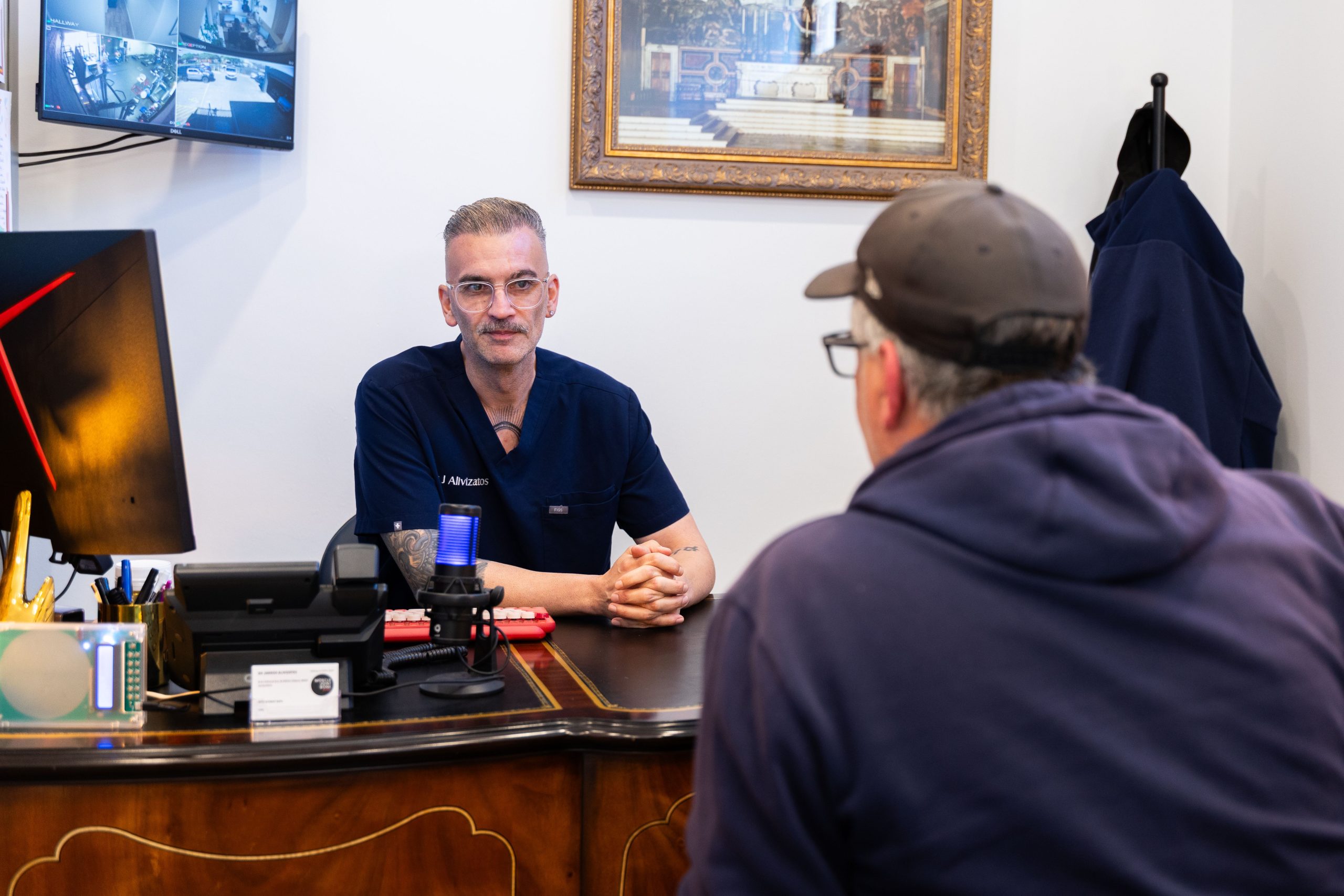
Osteopath & junior basketball coach
Dr Jarrod and Melbourne Tigers juniors
MJB Clinical Director Dr Jarrod Alivizatos (Osteopath) coaches Melbourne Tigers juniors in the VJBL. Coaching gives him direct involvement in the environment young basketballers train and compete in. His approach to conversations with families recognises that players need clear explanations, a voice in their care and realistic expectations about participation.
Meet Dr Jarrod Alivizatos (Osteopath) →Pain, injuries and sporting demands
Common basketball concerns in juniors and club players
A painful area needs attention when it changes the way a player moves or participates. These descriptions are starting points for discussion, not diagnoses.
Ankle sprains after landing
Watch for a player favouring one foot after a rebound or sudden turn. Ask about the incident and arrange assessment if swelling, pain or a limp develops. Difficulty bearing weight or marked bony tenderness may require medical investigation.
Pain below the kneecap
Osgood-Schlatter disease can cause tenderness around the upper shin attachment during growth. Jumping and running may provoke symptoms. Examination matters because a sudden injury or another knee condition can also cause pain in this area.
Sore heels during growth
Heel pain may become noticeable with running or repeated basketball sessions. Sever’s disease is one possibility in growing players. A clinician should assess persistent symptoms and discuss participation rather than relying on a shoe change alone.
Kneecap or patellar tendon symptoms
Older juniors and adults can develop pain around the kneecap or the tendon beneath it. Tell us whether discomfort occurs on stairs, when landing or after games. The pattern helps direct examination and an individual activity plan.
Finger and wrist injuries
A jammed finger or fall onto the hand can affect more than shooting confidence. Seek assessment for swelling, reduced movement or trouble gripping. An obviously displaced joint or a suspected fracture needs urgent medical attention.
Knee twisting injuries
A change of direction followed by swelling or instability needs a timely review, even when the player wants to finish the game. Locking, a substantial pop or rapid swelling can require a medical or specialist assessment pathway.
Back, hip and calf complaints
Listen when a player repeatedly avoids a movement or complains outside training as well. Describe changes in running, bending and daily function. Persistent pain should not be explained away as poor effort or normal growth without assessment.
Make room for the player’s own account
Parents can help with the timeline, but the player’s description is valuable too. Ask them to show where the discomfort is and explain the activities they have stopped doing. Your osteopath will discuss an age-appropriate examination and seek consent before any hands-on assessment or treatment.
Coordinate school, domestic and representative basketball
Bring every regular session into the discussion. A plan may need to account for school PE and informal practice as well as scheduled games. If modified participation is appropriate, clarify the actual tasks involved and when to review them. Permission to attempt one drill is not clearance for every part of a game.
Know when to leave the court
After a significant injury, do not use a player’s enthusiasm as the test of readiness. Suspected concussion requires removal from play, medical assessment and no same-day return. Severe pain, an obvious deformity or inability to bear weight also calls for prompt medical care. Later rehabilitation should follow the findings and relevant guidance.
Useful appointment questions
Planning your visit
Does my child need to play VJBL to attend?
No. Domestic, school and social basketball players can all arrange an appointment. Competitive level helps describe the sporting demands but does not determine whether a concern deserves assessment.
Can the clinician explain restrictions to our coach?
With appropriate consent, relevant recommendations can be shared. The useful information is what the player can currently attempt, what needs modification and when the plan should be reviewed.
Where should Lalor families book?
Choose Epping and Osteopathy in the MJB online calendar. Our address is 26 Childs Road, Epping VIC 3076. Reception can help you find a suitable practitioner and current appointment availability.
Support the player behind the injury
Arrange an Epping osteopathy appointment to discuss basketball symptoms, family questions and a practical plan.
Further reading
Healthdirect: osteopathySports Medicine Australia: injury informationSMA: basketball injuriesRoyal Children’s Hospital: Osgood-Schlatter information
Educational information is general. An individual assessment determines suitable care, referral and activity advice.